



Mining Excavator
Your Leading Shandong Shante Heavy Industry Machinery Co.,Ltd. Supplier
Shandong Shante Heavy Industry Machinery Co., Ltd. is one of leading manufacturer in China specializing in mining machinery researching, designing, manufacturing and sales.The range of products include loader and excavator, mine car, etc. The products are widely used for all kinds of mine, metal mine, non-metal mine, water project, hydropower project, water diversion tunnel project, subway station etc.
Shandong Shante Heavy Industry Machinery Co., Ltd. is a large-scale production enterprise of mining construction equipment. The mining construction equipment and equipment mainly operated by the company have been sold to various provinces and cities across the country and abroad through B2B and B2C. The company workshop covers an area of more than 30,000 square meters. There are 688 employees, including 32 experts and scholars, 65% of them have a college degree or above, and more than 30% are senior technicians.
The company is engaged in the research and development, manufacturing, production and sales of mining equipment. The products include mining electric excavators, mining slag scrapers, backhoe loaders, roadway repairers and other four series of more than 20 varieties. The products are sold to In 26 provinces, municipalities and autonomous regions, there are 158 franchise, agency and direct sales outlets, and have won honorary titles such as provincial and municipal "Advanced Enterprise", "Contract-honoring and Promise-keeping Enterprise" and "Provincial Civilized Unit".
The company's modern assembly line production is based on the four concepts of "precise design, lean manufacturing, fine management, and fine service", in order to respond quickly to the market, produce products that meet the needs of different customer groups. "Integrity-based, technology first, customer first, reputation" is our eternal purpose! All the staff of the company pay tribute to all sectors of society and look forward to your visit and patronage!
Why Choose Us?
Advanced Equipment
A machine, tool or instrument designed with advanced technology and functionality to perform highly specific tasks with greater precision, efficiency and reliability.
Competitive Price
We offering a higher-quality product or service at an equivalent price. As a result we have a growing and loyal customer base.
Rich experience
Our company has many years of production work experience. The concept of customer-oriented and win-win cooperation makes the company more mature and stronger.
Global shipping
Our products support global shipping and the logistics system is complete, so our customers are all over the world.
After-sale service
Professional and thoughtful after -sales team, let you worry about us after -sales Intimate service, strong after -sales team support.
High Quality
Our products are manufactured or executed to very high standards, using the finest materials and manufacturing processes.


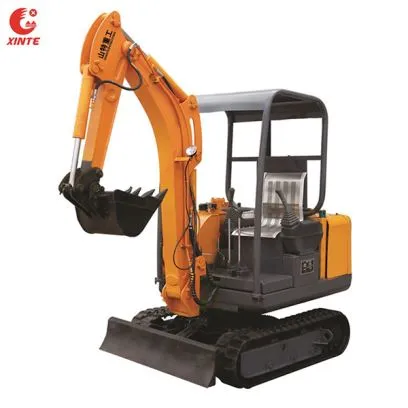
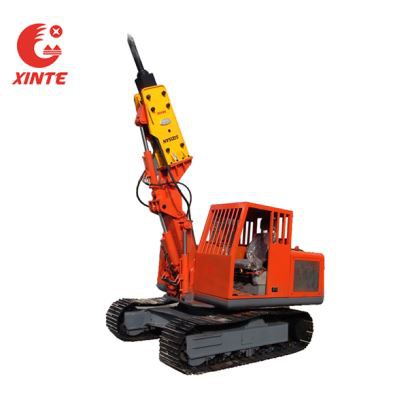
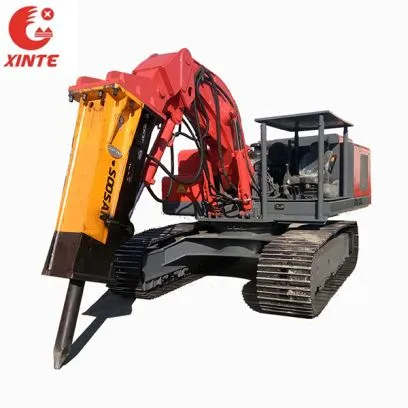
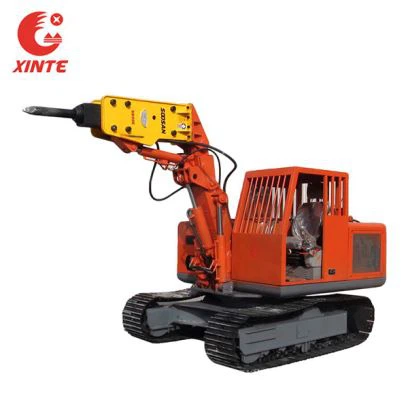
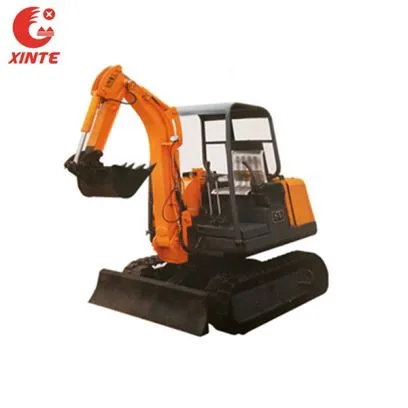


What is Mining Excavator?
Mining excavators are called on to do a variety of tasks, from working a shot face to top loading trucks with overburden to cracking out a virgin bank. Komatsu large excavators are designed to do all those tasks fast and efficiently to maximize production.
Benefits of Mining Excavator
Versatility
They can be used for a wide range of tasks. With different attachments, they can be used for digging, demolition, material handling, forestry, landscaping, and more.
Power
These powerful machines have large hydraulic systems that allow them to lift and move heavy materials with ease.
Precision
Being equipped with advanced technology, such as GPS and laser guidance systems, allows them to perform tasks with a high degree of precision.
Efficiency
Designed to work quickly and efficiently, leads to increased productivity and reduced labor costs.
Mobility
Excavators move easily over rough terrain, making them suitable for use in remote or difficult-to-access locations.
Safety
Features such as cab guards, seat belts, and backup cameras help to protect the operator and other workers on a job site.
Types of Mining Excavator
Mini excavators: Small excavators typically used for tasks in tight spaces and low impact jobs. They typically weigh less than 6 tons.
Standard excavators: Larger excavators, typically used for heavy-duty excavation, demolition and construction jobs. They can weigh anywhere from 6 to 90 tons.
Long reach excavators: Used for reaching long distances, such as when working in water, deep trenches or for demolition.
Crawler excavators: They move on tracks and are designed to operate on uneven or unstable terrain. They are often used for heavy-duty tasks like mining and construction.
Wheeled excavators: They move on wheels and are designed for mobility, speed, and maneuverability. They are often used for road and highway construction jobs.
Application of Mining Excavator
Excavation and loading
The most important function of excavators in mining is to move soil and overburden, creating pathways for other mining equipment to move around the site freely and to load dump trucks. They are used to remove soil or rock that is covering valuable mineral deposits, exposing the ore for extraction. Excavators efficiently remove vast amounts of material in a single scoop, facilitating access to valuable resources. Large mining excavbators can load up to 100 Tons in a single scoop, making them an essential piece of equipment for mining operations.
Ore extraction
Once overburden is removed, excavators can be equipped with various attachments such as buckets, shovels, and grapples to extract ore from the mining face. This process is fundamental in both open-pit and underground mining operations.
Loading trucks
Excavators work in tandem with hauling trucks/Dump trucks – ADT’s/Tipper trucks, where the bucket size is paired with the loading capacity of the excavator. They load these large trucks with the extracted material, ensuring a continuous flow of ore to processing facilities. Their high production rates and precision in loading make them indispensable in mining operations.
Infrastructure construction
Beyond material extraction, excavators are used in the construction of roads, berms, and other infrastructure within mining sites. They play a crucial role in shaping the terrain to optimize transportation and provide stability.
Components of Mining Excavator

Cab
The operator's compartment where the controls and steering wheel are located. It is designed to be comfortable and safe for the operator, with features like air conditioning, adjustable seating, and a soundproofed interior.

Bucket
The most common attachment, used for digging and moving materials such as soil, gravel, and debris. It is attached to the arm and can be tilted or rotated to dump its contents.

Undercarriage
The bottom part of the excavator, consisting of tracks or wheels that allow the machine to move over rough terrain. It also includes the hydraulic system, engine, and other components that power the excavator.

Hydraulic system
Powers the movement of the boom, arm, and bucket, as well as attachments. It uses hydraulic fluid to create pressure, which is then used to move the various components.

Boom
The long, hydraulic arm that extends from the front of the excavator. It is used to lift and move heavy objects and can be adjusted to different lengths and angles.

Arm
The section of the excavator that connects the boom to the bucket or other attachment. It can also be adjusted to different lengths and angles.

Counterweight
A heavy component attached to the rear of the excavator, which helps to balance the weight of the boom and arm and prevent it from tipping over.

Engine
Provides power to the hydraulic system and other components of the excavator, such as the tracks or wheels. It is typically located in the rear of the machine.
How to Maintain Mining Excavator
Visual Inspection: Look for any visible damages, leaks, loose or missing parts, or signs of abnormal wear and tear. Ensure that all safety features, such as guards and emergency stop buttons, are intact and functional.
Fluid levels: Check the levels of engine oil, hydraulic fluid, coolant, and fuel. Top up as needed, following the manufacturer’s guidelines.
Filters: Inspect and clean or replace air filters, fuel filters, and hydraulic filters to maintain optimal performance.
Belts and pulleys: Examine belts for signs of wear, tension, or damage. Check pulleys for misalignment or excessive play.
Lubrication: Ensure all necessary lubrication points are adequately greased according to the manufacturer’s specifications.
Electrical systems: Check batteries for charge and clean terminals if necessary. Inspect wiring and connectors for any signs of damage or loose connections.
Tires and tracks: Check tire pressure, tread wear, and overall condition. For tracked equipment, inspect tracks for tension, wear, and damage.
Functional tests: Conduct functional tests of all equipment controls, gauges, lights, alarms, and safety features to ensure they are working correctly.
What Is the Working Principle of an Mining Excavator
Bucket excavation: The bucket of the slag scraper is driven by a hydraulic cylinder to perform digging movements to dig out ore or slag from the mine.
Conveying device: The excavated ore or muck is transported to the rear or side of the machine through a conveying device, usually a chain or belt conveyor.
Unloading: The conveying device transports the ore or muck to the unloading point of the machine, usually a unloading hopper or conveyor belt, and then unloads it onto other transportation equipment, such as mine cars or conveyor belts.
Traveling and steering: The slag scraper travels on crawlers or tires and can move in the mine. The steering of the machine is controlled by a hydraulic cylinder, which can achieve flexible steering forward, backward, left and right.
Hydraulic system: Each action of the slag scraper is controlled by the hydraulic system. The hydraulic system includes hydraulic pumps, hydraulic cylinders, control valves and other components. Through the pressure transmission and control of hydraulic oil, various actions of the machine are realized.
Electrical system: The slag scraper is also equipped with an electrical system, including motors, electric controllers, cables, etc., which are used to provide power and control various functions of the machine.
Engine power
Excavator selection highly depends on Engine Power. High Power provides high digging forces to operate excavators in tough working conditions and deliver high productivity. Along with power, an ideal engine should be smooth in operation, make low noise and eject less smoke while at operation. The engine should have low cost of operation with easy maintenance.
Operating weight
Hydraulic Excavators are majorly categorised based on their operating weight. Operating weight must be defined based on the application to be performed and work quantity to be handled. Thus, while purchasing an excavator, one must ensure the machine you choose has an operating weight that matches your job requirement. Lifting Capacity of an excavator also depends on its operating weight.
Lifting capacity
The lifting capacity of an excavator is based on the machine’s weight, lift point position, centre of gravity, and hydraulic capability. Note that the lifting capacity is also limited by the excavator’s tipping stability and hydraulic capacity. When it comes to excavator size classes, large ones are capable of lifting bigger and heavier materials. A general rule of thumb in such cases is that for heaviest lifts, standard and large excavators are powered by hydraulics. Thus, such excavators are suitable for heavy-duty operations.
Worksite conditions/ application
One must consider the worksite conditions and application to be performed while choosing the excavator. Do you intend to work in tight spaces or open environments? Will you be driving excavators on roads? Are you purchasing excavator for general construction, earthwork, mining or demolition?
Such factors will help you choose the correct excavator without hampering the efficiency of your operations.
Bucket capacity
The bucket capacity of an excavator is the amount of material carried inside the bucket plus the amount piled on top of it. This is called heaped or rated capacity. A heap is how much material is piled on top of a bucket depending on the angle of repose of the material being carried. The bucket capacity must consider several factors, like the type of materials the excavators will be handling, what size of bucket you need, and the overall size of the operation.
Hydraulic attachments
While excavators are usually pictured with a bucket, different fixtures can be attached. Needless to say, all these attachments are hydraulic and can perform unique operations. Some commonly used attachments include rock breaker, quick coupler, grapple, rakes, rippers, tilt couplers, quick hitch, grab attachments, etc. An excavator may better serve heavy projects or require multiple tool attachments with a hydraulic system.
Our Factory
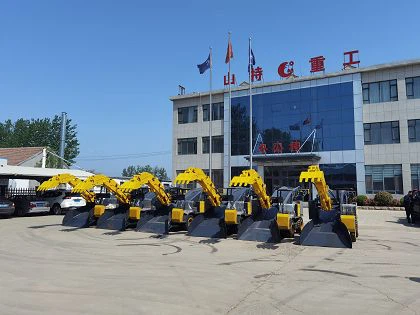
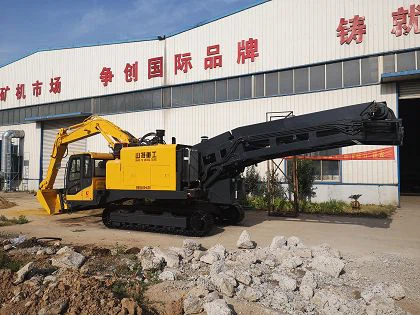
Initially founded in 1998, Shandong Shante Heavy Industry Machinery Co., Ltd. are located in Yuncheng Industry Zone of Heze city Shandong Province.The transport is very convenient.Qingdao port is 500km far away from our company and Jinan Airport is 150km far way from our company.

Our Certificate


FAQ