



Steel Ladle Excavator
Your Leading Shandong Shante Heavy Industry Machinery Co.,Ltd. Supplier
Shandong Shante Heavy Industry Machinery Co., Ltd. is one of leading manufacturer in China specializing in mining machinery researching, designing, manufacturing and sales.The range of products include loader and excavator, mine car, etc. The products are widely used for all kinds of mine, metal mine, non-metal mine, water project, hydropower project, water diversion tunnel project, subway station etc.
Shandong Shante Heavy Industry Machinery Co., Ltd. is a large-scale production enterprise of mining construction equipment. The mining construction equipment and equipment mainly operated by the company have been sold to various provinces and cities across the country and abroad through B2B and B2C. The company workshop covers an area of more than 30,000 square meters. There are 688 employees, including 32 experts and scholars, 65% of them have a college degree or above, and more than 30% are senior technicians.
The company is engaged in the research and development, manufacturing, production and sales of mining equipment. The products include mining electric excavators, mining slag scrapers, backhoe loaders, roadway repairers and other four series of more than 20 varieties. The products are sold to In 26 provinces, municipalities and autonomous regions, there are 158 franchise, agency and direct sales outlets, and have won honorary titles such as provincial and municipal "Advanced Enterprise", "Contract-honoring and Promise-keeping Enterprise" and "Provincial Civilized Unit".
The company's modern assembly line production is based on the four concepts of "precise design, lean manufacturing, fine management, and fine service", in order to respond quickly to the market, produce products that meet the needs of different customer groups. "Integrity-based, technology first, customer first, reputation" is our eternal purpose! All the staff of the company pay tribute to all sectors of society and look forward to your visit and patronage!
Why Choose Us?
Advanced Equipment
A machine, tool or instrument designed with advanced technology and functionality to perform highly specific tasks with greater precision, efficiency and reliability.
Competitive Price
We offering a higher-quality product or service at an equivalent price. As a result we have a growing and loyal customer base.
Rich experience
Our company has many years of production work experience. The concept of customer-oriented and win-win cooperation makes the company more mature and stronger.
Global shipping
Our products support global shipping and the logistics system is complete, so our customers are all over the world.
After-sale service
Professional and thoughtful after -sales team, let you worry about us after -sales Intimate service, strong after -sales team support.
High Quality
Our products are manufactured or executed to very high standards, using the finest materials and manufacturing processes.


What is Steel Ladle Excavator?
Excavators are heavy construction equipment consisting of a boom, arm, bucket, and cab on a rotating superstructure atop an undercarriage with tracks or wheels. These machines are used mainly for digging purposes as well as various lifting and carrying tasks in various applications. Together with special tools such as hydraulic breakers, cutters, shears, grapples, couplers, etc. at the end of the various boom and arm configurations, excavators can complete a wider range of jobs. They vary in size depending on what you’re using them for and what you're aiming for, such as productivity, fuel efficiency, and multi-functional purposes. Each size has its own purpose, and some are highly specialized.
In metallurgy, a ladle is a bucket-shaped container or vessel used to transport and pour out molten metals. Ladles are often used in foundries and range in size from small hand-carried vessels that resemble a kitchen ladle and hold 20 kilograms to large steelmill ladles that hold up to 300 tonnes. Many non-ferrous foundries also use ceramic crucibles for transporting and pouring molten metal and will also refer to these as ladles.
Benefits of Steel Ladle Excavator
Enhanced excavation speed and precision
One of the clearest benefits excavators provide is faster, more targeted excavation abilities over manual methods. Workers digging with shovels and picks work slowly, have limited reach, and can only manage moving small amounts of dirt per shovelful.
Excavators also excel at precision work like digging narrow trenches or foundations. Their hydraulic power and maneuverability allow careful scooping and digging even in tight spaces. Excavation speed, capacity and accuracy is far superior to human capabilities.
Ability to dig dense or hardened soil
In addition to wider reach and more controlled digging, excavators have the power and strength to penetrate dense or hardened soil that human shovels simply cannot dig through. Excavators excel at breaking up and removing rock-like earth.
Trying to shovel out dense, compacted earth is inefficient or impossible without mechanical equipment. Excavators are purpose-built to rip through hardened ground using hydraulic force combined with shear strength.
Even on softened ground, excavators enable digging deeper than feasible by hand. Their strength and force mean no subsurface deposits or conditions present barriers. Excavators open up access to depths and densities impossible through traditional excavation approaches.
Reduced health hazards and injuries
Excavators nearly eliminate these hazards – the machine handles all the difficult digging. The operator is safely seated and uses hydraulic controls. This removes the back-breaking labor and bodily wear and tear that comes with direct manual excavation.
By preventing exertion injuries and exhaustion, excavators provide a much healthier and safer excavation technique. Construction companies see drastically lower incident rates when utilizing mechanical excavation rather than relying solely on human effort. Worker well-being is greatly improved.
Continuous work and extended reach
Excavators can operate continuously with no fatigue issues or pauses. Operators can comfortably dig for hours, days or weeks non-stop. Excavators also provide far greater digging depth and reach into spaces not accessible by human capabilities.
By enabling constant excavation without breaks or exhaustion, excavators dramatically accelerate project timelines and productivity. Their extended horizontal and vertical reach allows excavating areas previously unworkable through manual means.
Precise control and reduced waste
Excavators provide extremely precise and controlled digging. Experienced operators can expertly manipulate buckets in tight quarters or carefully uncover buried utilities. The hydraulic controls enable delicate scooping and digging unlike manual techniques.
This precision also reduces unnecessary waste. shoveling is not as exact, resulting in removing excess dirt that only gets redeposited. Excavators take away only the exact amount of material needed, minimizing excess debris and unnecessary effort.
Types of Steel Ladle Excavator
Crawler or compact excavators
Crawler excavators are everywhere, and they're probably what most people imagine when they think of the word "excavator." They're on tracks (like a tank), typically feature an enclosed cab, and use a hydraulically powered boom to dig through heavy material. They work in virtually every type of terrain—albeit slowly.
Wheeled excavators
Wheeled excavators don't differ much from crawlers, aside from being on wheels rather than tracks. Wheels make them faster and more maneuverable on roads and other asphalt or concrete surfaces, making them unstable on muddy or hilly terrain. These wheeled excavators will often run around on large-scale highway projects where they frequently have to travel long distances between work.
Long-reach excavators
Call on a long-reach excavator when you need to dig something that's in a hard-to-reach place. As you probably guessed, they're noteworthy for their long booms, which can reach material more than 100 feet away. You'll often find long-reach excavators in dredging applications where the machine can't get to the material without sinking.
Ultra-high demolition excavator
These units are purpose-built demolition machines based around your typical excavator's chassis. They usually feature a massive two-piece boom in straight segments, a tilting cab, so the operator isn't breaking their neck all day, and a larger undercarriage to stay more balanced with all the extra weight.
These machines are great for taking down tall structures up to 200 feet tall, but that massive reach allows the operator to demo the structure at a safe distance without being hit by debris.
Hydraulic front shovels
These massive machines may be standard in mining operations or the heaviest of civil construction projects, but you're not likely to encounter one on a job site. The buckets on these behemoths can hold up to 65 cubic yards of material—making hydraulic shovels just a little overkill for a typical Dirt World project.
Suction or vacuum excavators
Many excavators are massive, earth-moving brutes, but the suction excavator is more like a surgeon's scalpel.
Also called a vacuum excavator, it shines when digging around buried and active underground utilities. A typical excavator would likely damage these costly utilities, but a vacuum excavator is more gentle and precise.
It uses a pressurized water jet system, much like a pressure washer you'd use to clean your car, to break up the dirt. Then it sucks it up with a giant metal hose and haul it away,—letting a suction excavator extract material from a small area at speeds of up to 200 miles an hour. You'll most commonly find these mounted to on-road trucks that look like tankers with an elephant truck out front.
Application of Steel Ladle Excavator


Earthmoving
Many people know excavators for their usefulness in earthmoving. Their signature bucket attachments have teeth-like edges that enable the machine to dig and scoop earth. The earthmoving applications for excavators include:
Trench digging: Trenches have multiple uses in construction, utilities and many other industries. Operators dig trenches with excavators to set foundations, install wires and pipes or create an area to plant seeds. Excavators can dig trenches that would take significant time and effort with manual equipment.
Landscape grading: During the landscape grading process, an excavator operator levels or sculpts the ground to prepare an area for a project. In construction, grading creates a level ground for a building or another piece of architecture. Grading in landscaping can involve controlling water flow from an area or creating a space for plants, paths and other elements.
Material handling
When an operator attaches a clamp attachment to an excavator, it becomes a powerful tool in material handling. The excavator picks up materials that would not fit in a bucket attachment. Some excavators have elevated cabs and heavy counterweights for better visibility and stability during material handling.
Demolition
Using a breaker attachment, an excavator can perform various demolition tasks. Breakers provide hundreds of pounds of impact energy to break into concrete, stone and other tough materials. Excavators geared toward demolition offer stability and safety features for a safer job site.
Underground excavation
Also known as tunneling, underground excavation involves creating underground passageways through digging. Operators can use a combination of bucket and auger attachments to get the best results. Augers bore deep into the ground using hydraulic circuits. Compact models tend to suit these operations due to the limited space underground.
Amphibious and underwater operations
Some types of excavators can operate in water. Features such as long attachment arms and roller chains make it easier to navigate an excavator in these environments.
Forestry
In forestry, operators use excavators to create access routes, move branches, cut and shear. Excavator attachments include shears, mulchers and many other options for managing trees and greenery.
Debris removal
Attachments such as buckets and clamps enable excavators to pick up debris in removal applications. Different excavator types and sizes allow you to choose the right combination of power and maneuverability for debris removal jobs.
Components of Steel Ladle Excavator
Bucket
The steel container at the end of the dipper or stick, used to lift and handle materials
Linkage
Links the bucket to the dipper, provides vertical movement
Dipper (or stick)
Attaches the linkage and bucket to the boom
Boom
Raises or lowers the dipper or stick
Cab
Where the operator sits and manipulates the excavator's controls
Car body
What the cab is mounted on (think "frame and chassis")
Cylinders
The hydraulic mechanisms used to move the boom and dipper
Engine
it's the powerplant and heart of the machine
Tracks
The interlinked steel plates that the excavator runs on
Sprockets
Connect to the final drives and rotate the tracks forward and backward
Slew ring (or swing bear or swing bearing)
The circular metal ring that attaches the car body to the chassis and lets the excavator to rotate in a circle

Your first step in operating an excavator is to ensure you safely climb aboard. You may think this is obvious, yet the number one cause of construction-related accidents is due to falling. Once you are safely inside the cab, put on your seatbelt and turn the machine on. If none of the safety or hazard lights come on and fuel levels are fine you are clear to take off the safety lock.
To lower the boom or move it up, use the joysticks located to your right. Using the same joystick, you can open and close the bucket. To move the excavator stick out, push the joystick to your left forward. To move the stick back, you’ll need to pull the joystick to your left backward.
If you need to swing the cab you can use the left joystick. When it’s time to drive the excavator, be sure that the dozer blade is up first. Then you can use the pedals to accelerate forward until you’ve reached the desired destination. To restabilize the machine after moving positions, lower the blade.
● Operation Safety Tip
While excavators are useful, they are also extremely dangerous. Promote a safe working environment by following these safety tips.
Plan before acting:Fully develop your plan from spoil pile to which attachment you plan to use.
Check machine:Are there any signs of damage, leaks, or other signs that indicate the machine may fail.
Balance check:Before digging, run your excavator over an even surface to ensure it’s properly balanced.
Avoid contact with wheels/tracks:As you move the bucket or attachment, avoid hitting the wheels or tracks.
Ground stability:Wheels/tracks not fully touching the ground or the ground being unstable can lead to a tip-over.
Stay vigilant:Before and during your use of the excavator, be aware of your surroundings. Look above you for overhead obstructions and use mirrors and cameras to avoid obstacles around you.
How to Maintain Steel Ladle Excavator
Daily inspection checklist
Take the time to perform a daily walk-around inspection before operating the excavator. The inspection does not require much time and can easily pay for itself if an issue is discovered.
The following items should be checked prior to operation:
Check to make sure there is enough coolant
Check engine oil and hydraulic oil levels
Check for leaks in compartments and under machine
Check track
Check coolers to make sure they are free of debris
Drain water from fuel/water separator
Check dust ejector from air filter
Make sure teeth are present on bucket and they are in good condition
Check wear plates on bucket
Grease all pins and bushings daily
Check controls and seat belt in cab and make sure they are operating properly
Turn on machine and check controls, windshield wipers, seatbelt and air conditioning system
Remove trash and debris from cab
Undercarriage
The undercarriage is an expensive part of owning and operating an excavator. When operating the machine, always work and dig over the idler, as opposed to the side or back of the excavator, and operate the machine in the forward direction as much as possible to avoid excess wear. If the excavator needs to sit for extended period of time, start the machine every few months and exercise the track to avoid pins seizing.
The following items should be inspected to ensure proper track operation:
Look for loose bolts on track and tighten if necessary.
Look for bent shoes on tracks. The shoes support each other and one bent shoe can lead to additional bent shoes.
Replace bent or damaged guards and guides on bottom of track (“rock guides”).
Inspect sprocket and drive at rear of track for oil leaks and to make sure all bolts are present and tight.
Clean out debris from around track and adjust track tension if necessary to avoid excess wear (Note: Do not run tracks too tight — refer to maintenance manual for proper tension.)
Make sure cotter pins in the master link are present.
The propel gearbox is frequently overlooked but is a vital component of machine performance. Gearbox oil should be changed at approximately 1,000-hour intervals, depending on the excavator manufacturer.
Changing air and fuel filters
Proper maintenance of air, fuel and hydraulic filters is an important maintenance requirement for equipment operating in dirty and wet conditions. Refer to the operator manual and follow the instructions carefully when changing air or fuel filters. Shortcuts are a common cause of contamination and problems.
Hydraulic oil is filtered on return to the tank and not the pressure side. To check or clean the hydraulic oil filter, release the pressure to the tank by loosening the cap. Clean the oil filter cap to prevent dirt and debris falling into the filter; remove the filter cap and then clean away any dirt from the top of the filter. Remove the filter and clean if necessary, making sure to follow the instructions carefully. Finally, reassemble, inspecting O-rings and components for damage and dirt.
Swing bearing and swing gear maintenance
The swing gear is a vital component and is often neglected when servicing the excavator. Both the bearing and the gear should have proper lubrication and be free from contamination. Make sure bearing is greased properly and inspect the swing gear to make sure enough grease is present and water or dirt hasn’t leaked into the compartment.
Spark plugs
When checking or changing the spark plugs, make sure to clean and re-gap spark them. Do not forget to clean the threads and seat area and change the gasket before reinstalling the spark plug. Also, it is important to use proper torque when reinstalling spark plugs.
Our Factory
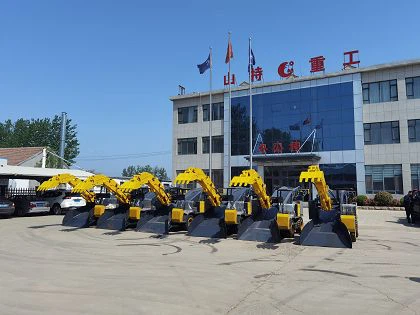
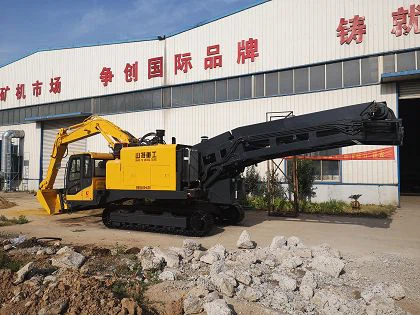
Initially founded in 1998, Shandong Shante Heavy Industry Machinery Co., Ltd. are located in Yuncheng Industry Zone of Heze city Shandong Province.The transport is very convenient.Qingdao port is 500km far away from our company and Jinan Airport is 150km far way from our company.

Our Certificate


FAQ